Dear friends,
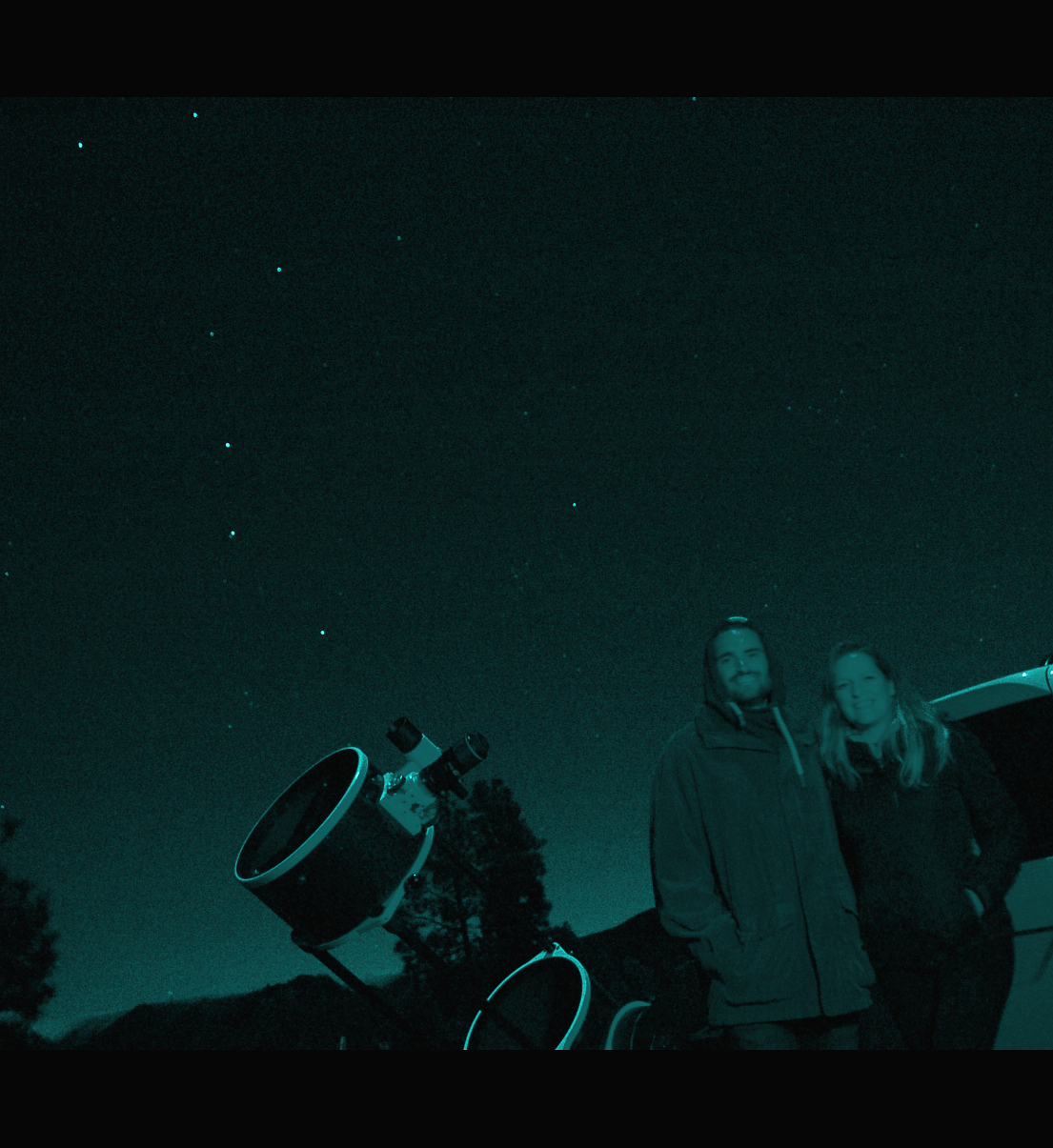
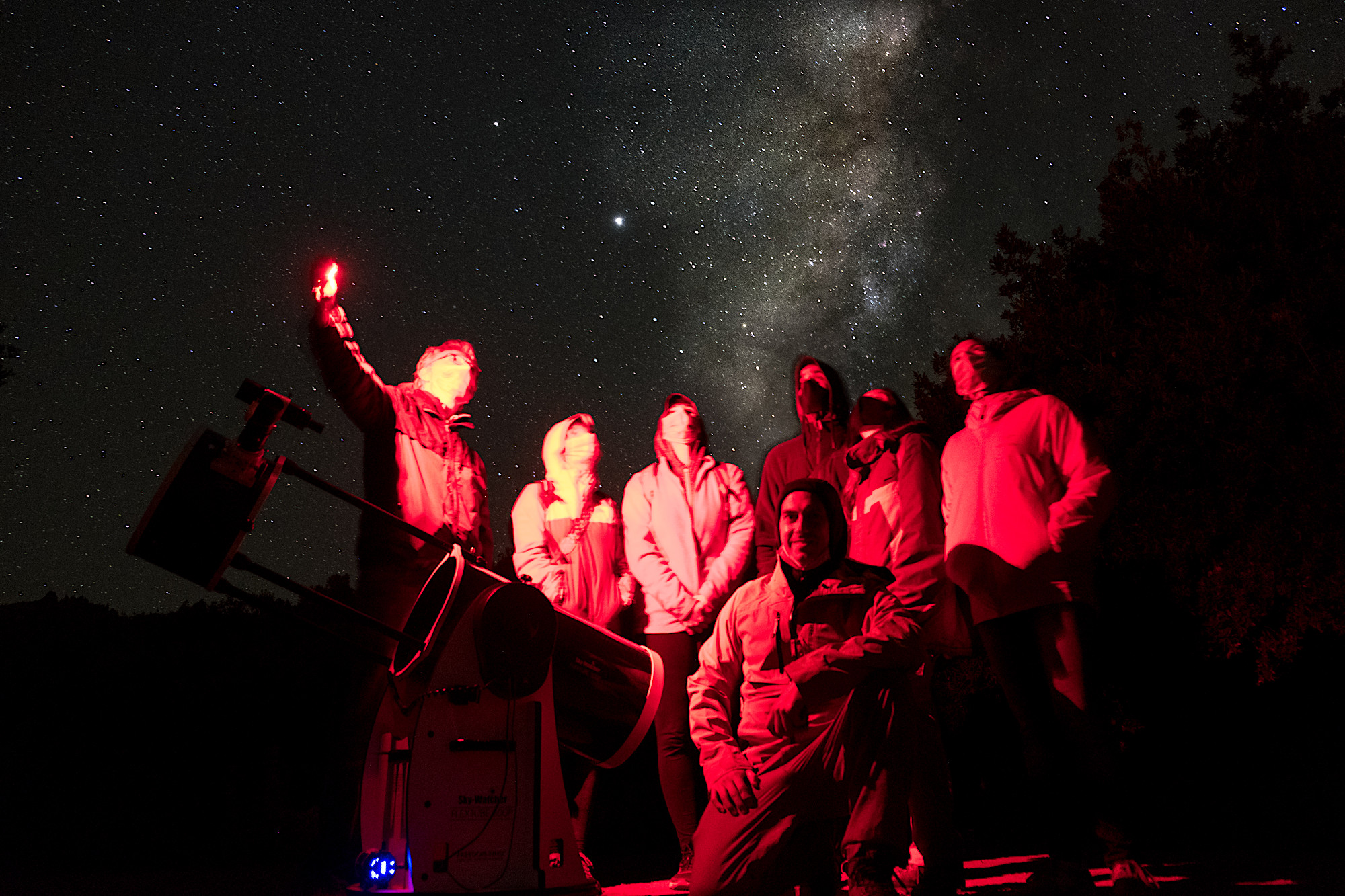
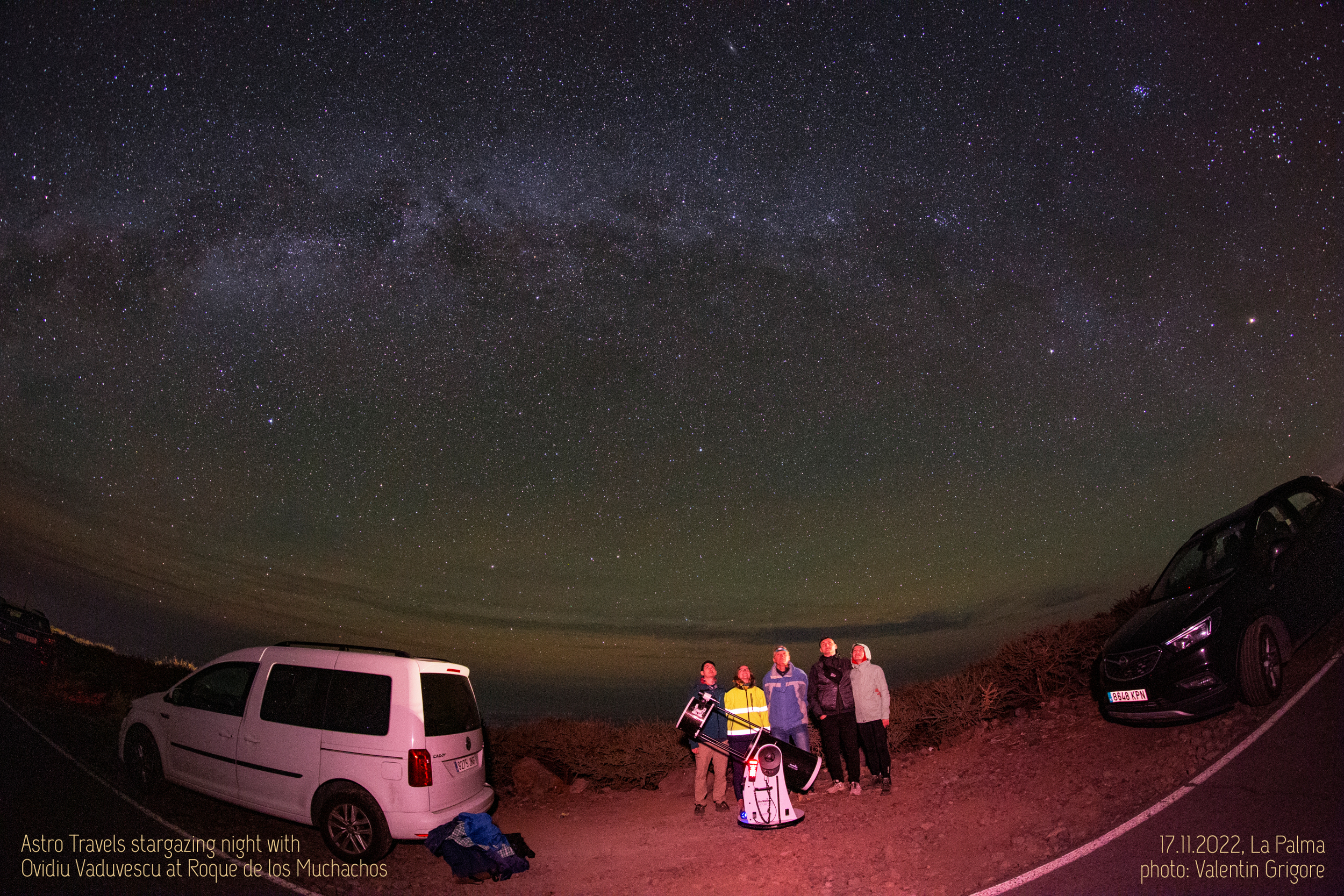
Since Oct 2018 we offer weekly stargazing for small groups (2-10 people) with our
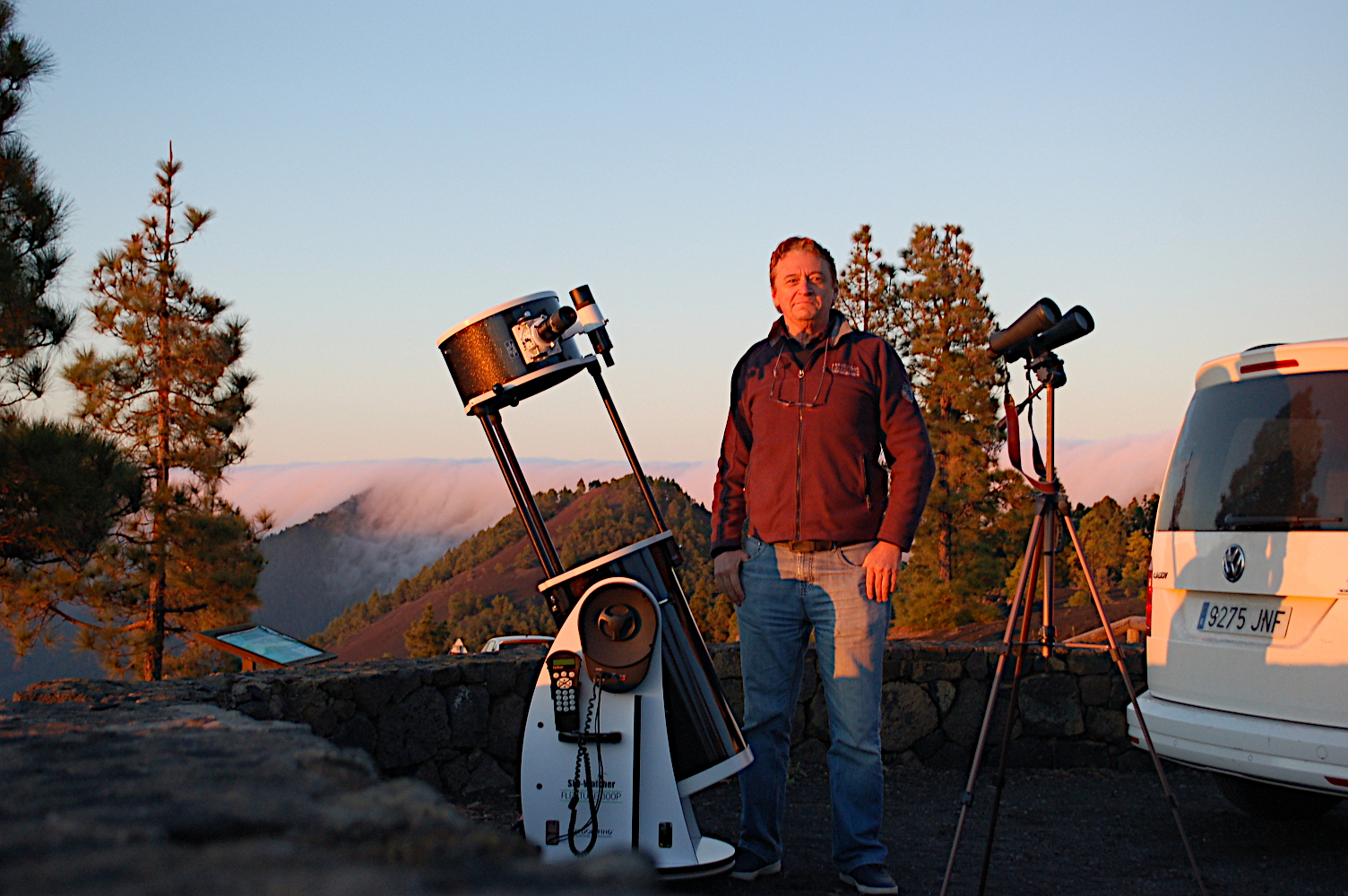
and powerful Sky-Watcher 300P SynScan GOTO Dobsonian 12" (30-cm diam) telescope
(manufacturer website) and Orion 15x70 binoculars.
Prices: 50 Euro/adult (40 Euro child).
Events scheduled usually twice per week during 2-3 hours after sunset, either in
Mirador Astronomico Llano del Jable (located
here, alt 1300m)
or close to
Roque de los Muchachos observatory (located
here, alt 2200m).
Tour guide languages: English, Spanish, French or Romanian.
Please contact us
here
to schedule your memorable stargazing experience in La Palma!
Welcome to Astro Travels stargazing nights, where the Universe has become closer!
This is a short preview of what we are planning to show you during three
hours after sunset, a program which can be booked immediately or which
can be included in your own tour package.
Amateur astronomers, sympathizers of the starry night or novices, all of
you are invited to join us in an exciting journey through the stars of
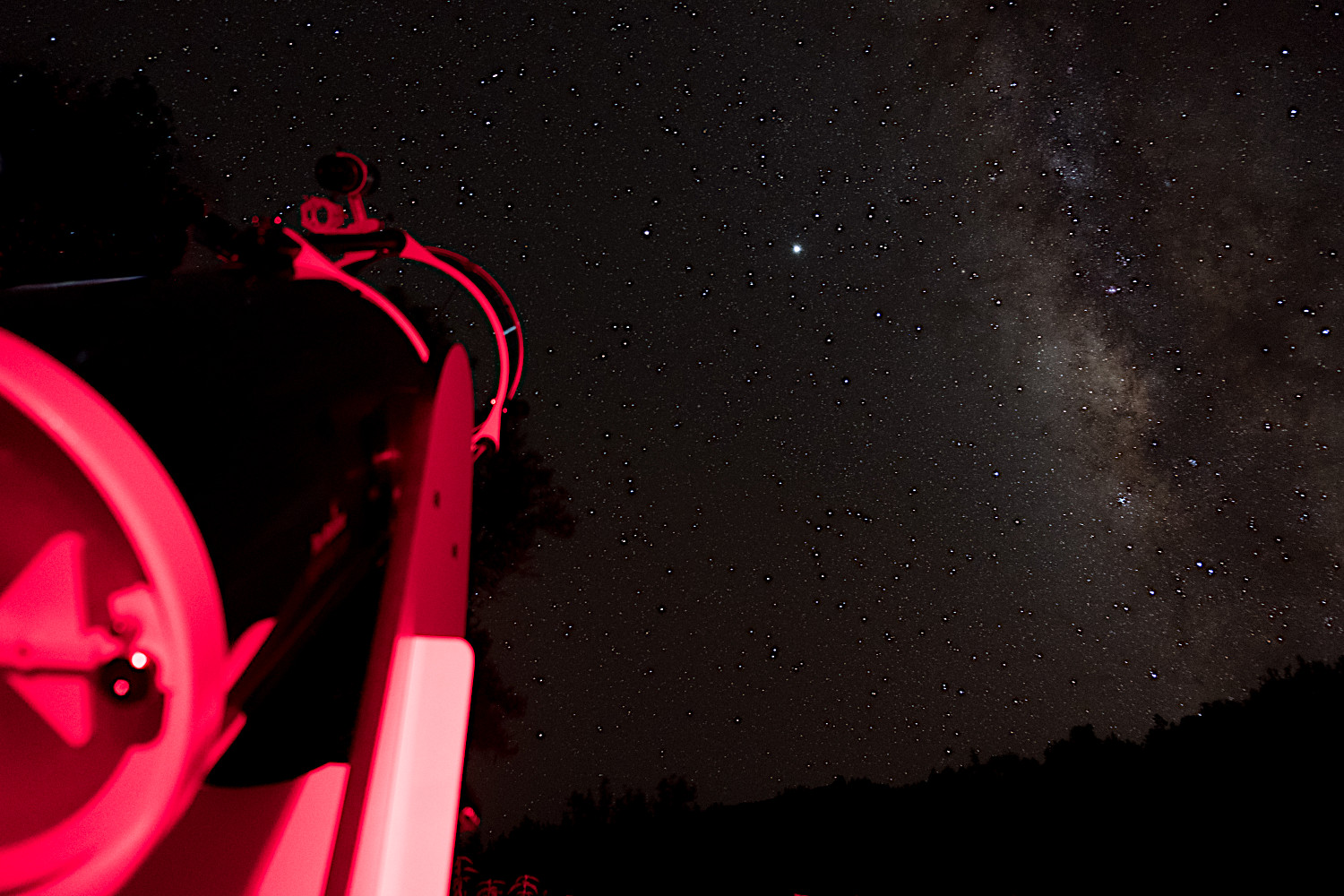
the Milky Way, constellations, Moon, planets, asteroids, nebulae, distant
galaxies and globular clusters... All these will be revealed to you by our
passionate people assisted by powerful telescopes and eager to share with
you our knowledge and experience!
La Palma is the first world Starlight Reserve since 2007, and a Starlight
Tourist destination since 2012. Across the whole island, the insular government
(
Cabildo de La Palma) arranged a network of 16 astronomical scenic points
(
miradores astronomicos) - one map
here and their names
here).
For regular stargazing we prefer
Llano del Jable
(altitude 1300m, location
here), on mountain road LP-301 km 5, about
30 min drive from most places.
Additionally, hight above the island, at 2300m altitude at the margin of the huge
Caldera of Taburiente, Roque de los Muchachos Observatory is one of best world complex
of professional observatories, comparable with the ones in Hawaii or Chile. Up there,
about one hundred institutions from 20 countries mostly European own telescopes
and installations to observe the stars and do scientific observations. These
institutions are funded with public money, so this site is open to visit for the
public. To see some telescopes (only during the day), we have to book your group.
For darker night stargazing experiences we prefer
this location, altitude 2200m on the mountain
road LP4 km 35, only one minute from the entrance (bareer) to the observatory.
Haunted by our routine hard work, spending hours in traffic rushing daily from
home to the office, blinded night after night by lights and thousands of advertisments
of our modern cities, and worrying about our bank debits... We simply forgot from where
we are really coming and where we'll be going in our amazing Universe! Throughout our
voyage, we propose you to return for a moment to the real beauty of pure starlight!
Somewhere in the Universe, on our home planet, on a remote island, we are inviting
you to join us under the dark skies of La Palma to admire the heavens...
There, you will have a chance to return to our beginning and wonder about our ending,
life and matter, in a perpetual transformation...
These objects observed are known as "deep sky objects". As their name suggest, these can
be seen only in dark sky conditions, and La Palma skies satisfy this requirement, thanks
to some laws which prevent artificial light pollution, as the attached map showing
La Palma proves, compared with most of
Europe and
North America.
Some of the questions our astronomers will be pleased to answer you:
What are these shooting stars?
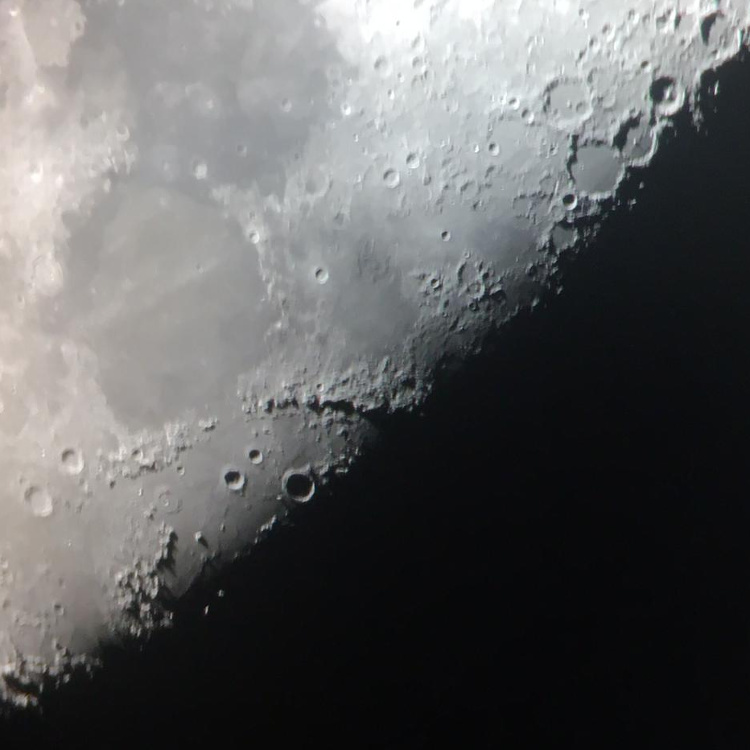
Why are so many craters on the Moon?
How could you distinguish a star from a planet?
There is life out there?
How about aliens, did they come here?
Where are the names of stars coming from?
What are the black holes and why nothing can escape them?
Why are the stars shining in different colors?
Will an asteroid going to hit the Earth in the near future?
How about astrology, what's its relation with astronomy?
What should you expect to observe there? Some of the following objects and phenomena:
Craters on the Moon and eclipses...
Some of the major planets of our Solar System, Saturn's rings, Venus' phases, Jupiter's satellites...
The Milky Way, our Galaxy home, of which our Sun is only one of its 200 billion stars...
Stars of various colors, binary stellar systems...
Asteroids of different sizes, peaceful or possible dangerous to our planet...
Galaxies, distant islands of Universe, closer or farther...
Globular clusters, giant associations counting hundreds of thousand stars...
Planetary nebulae, remaining of giant explosions of stars at their lifetime ending...
Comets, mostly unexpected guests of the inner Solar System...
Conjuctions...
Other astronomical and atmospheric phenomena.
Beside admiring stars, the astronomy is a great tool for education of sciences: mathematics, physics,
chemistry, biology, geology, etc. In case of cloudy weather, we will offer you a show to cover all these
topics in images, movies, computer animations and a planetarium software.
Why are these people so keen in spending their nights under the sky? How could you
acquire similar achievements? You will get all these answers attending our astro nights.
After the observations or presentation you will be lead back to your guesthouse, so
we wish you there "Good Night and Stary Dreams!" which will prepare you for another full
day of adventure in your tour. Travel with us and the Universe becomes closer!
Credits for some pictures:
Valentin Grigore, Attila Muzlinger, Corina Fotin, Jorge Somavilla.